Project brief
The brief records the business question, intended use of the model and people who need to take part.
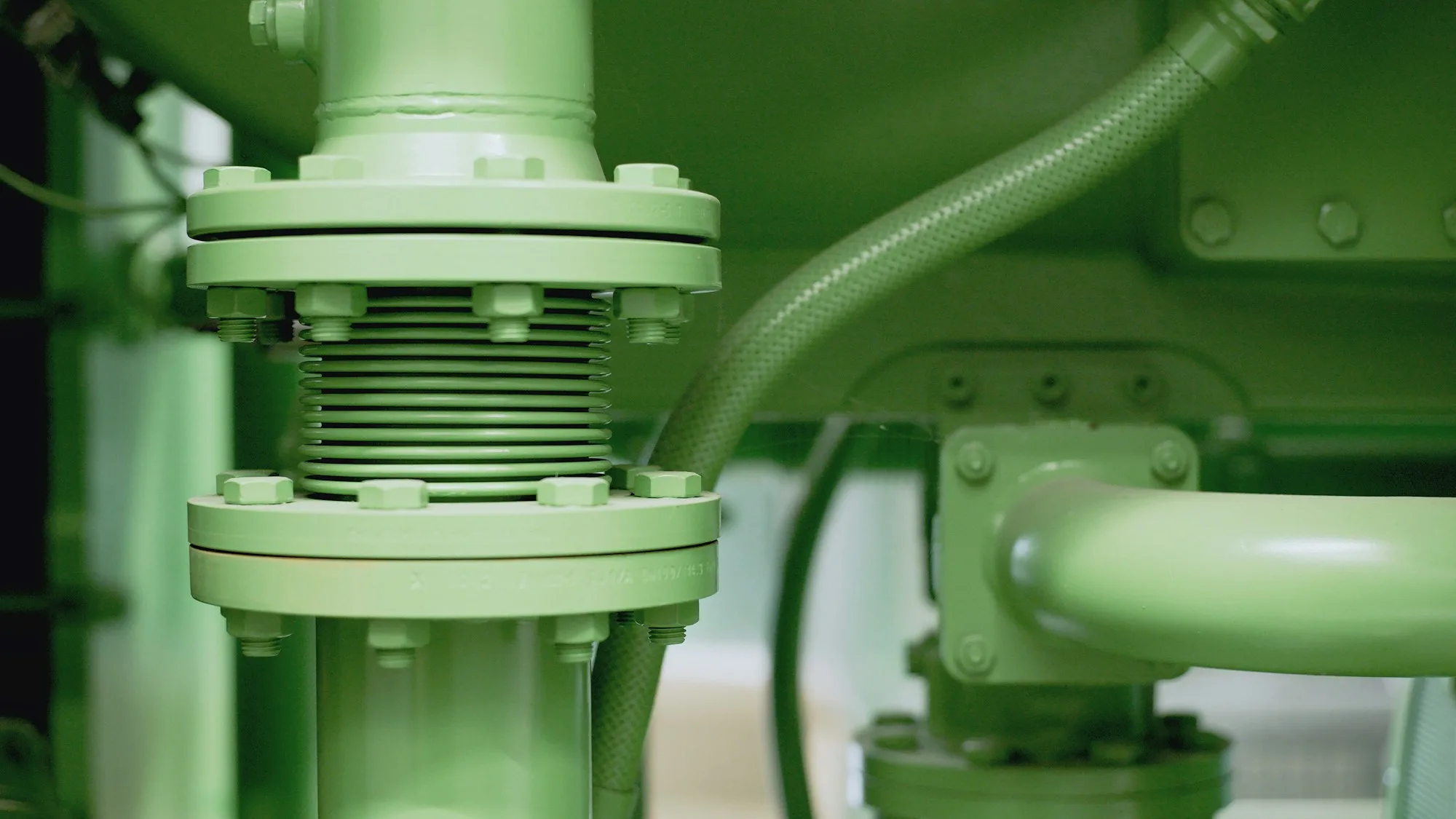
LCA MODELLING AND FUEL DEVELOPMENT
Manufacturer data goes into Minviro XYCLE, where the scope, sources and assumptions remain open to inspection. Gasol combines completed TEA and LCA work with agronomy trials at Langford, Bristol, to inform its planned pilot.
LCA+ · DECISION METHOD
We begin by agreeing the part of the organisation that the work needs to cover, which may be a site, one production line, a process or a wider supply chain. The client then provides the operational records that are available for that boundary.
Minviro XYCLE combines those records with suitable background datasets. LCA+ covers Scopes 1–4: direct emissions, purchased energy, value chain emissions and avoided emissions. Scope 4 is an emerging concept and is presented separately from the Scopes 1–3 inventory.
LCA+ · DECISION METHOD
The brief records the business question, intended use of the model and people who need to take part.
We examine coverage, time period and source quality before deciding where estimates or background datasets are required.
Production and supply chain information is assembled in Minviro XYCLE, with the relevant functional unit and system boundary applied to the calculation.
The model locates significant emissions and relates them to resource use and cost within the operation.
We compare the likely carbon effect with the client's costs, implementation work and operating constraints.
The final document sets out the modelled pathway, practical opportunities and the implementation plan agreed for the project.
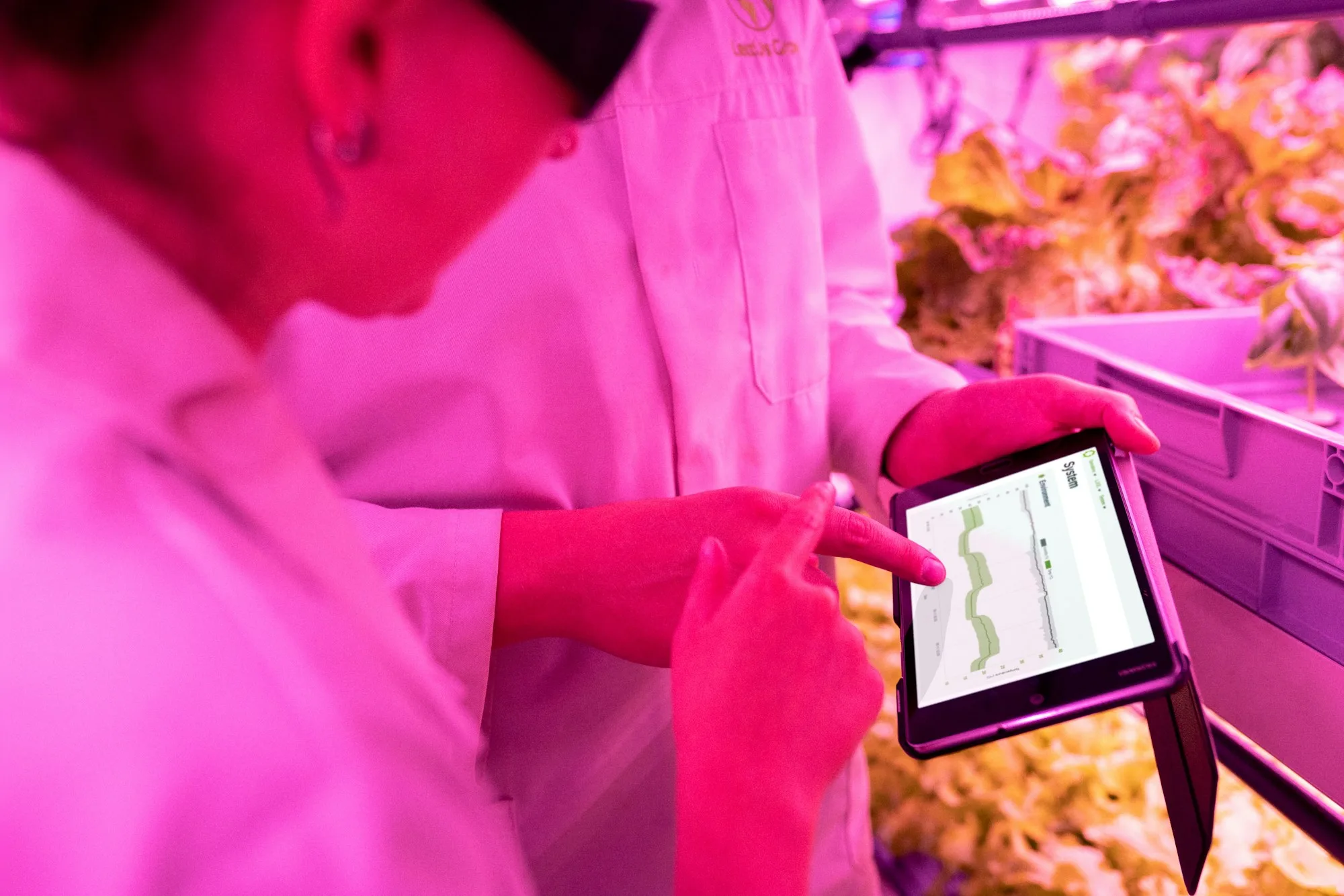
LCA+ · DECISION METHOD
The project record includes the model boundary, data sources, significant assumptions and the reason each opportunity was carried forward. This gives the client enough context to question an input or update the analysis when better information becomes available.
We are still formalising our standard protocol for baseline adjustments, measurement periods and verification after implementation. TBC · T04Confirm baseline adjustments, measurement periods and verification protocol
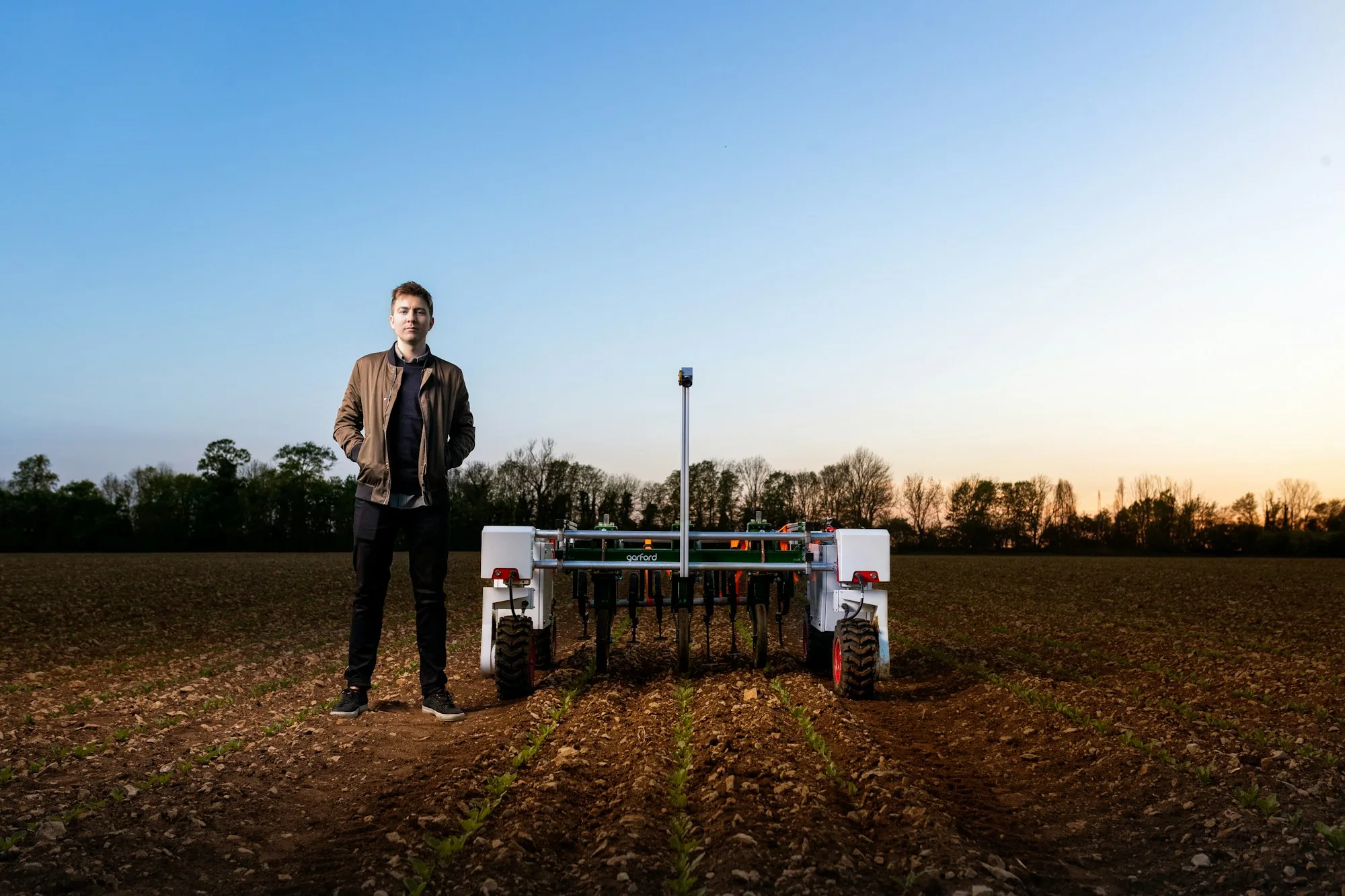
GASOL · UNDER DEVELOPMENT
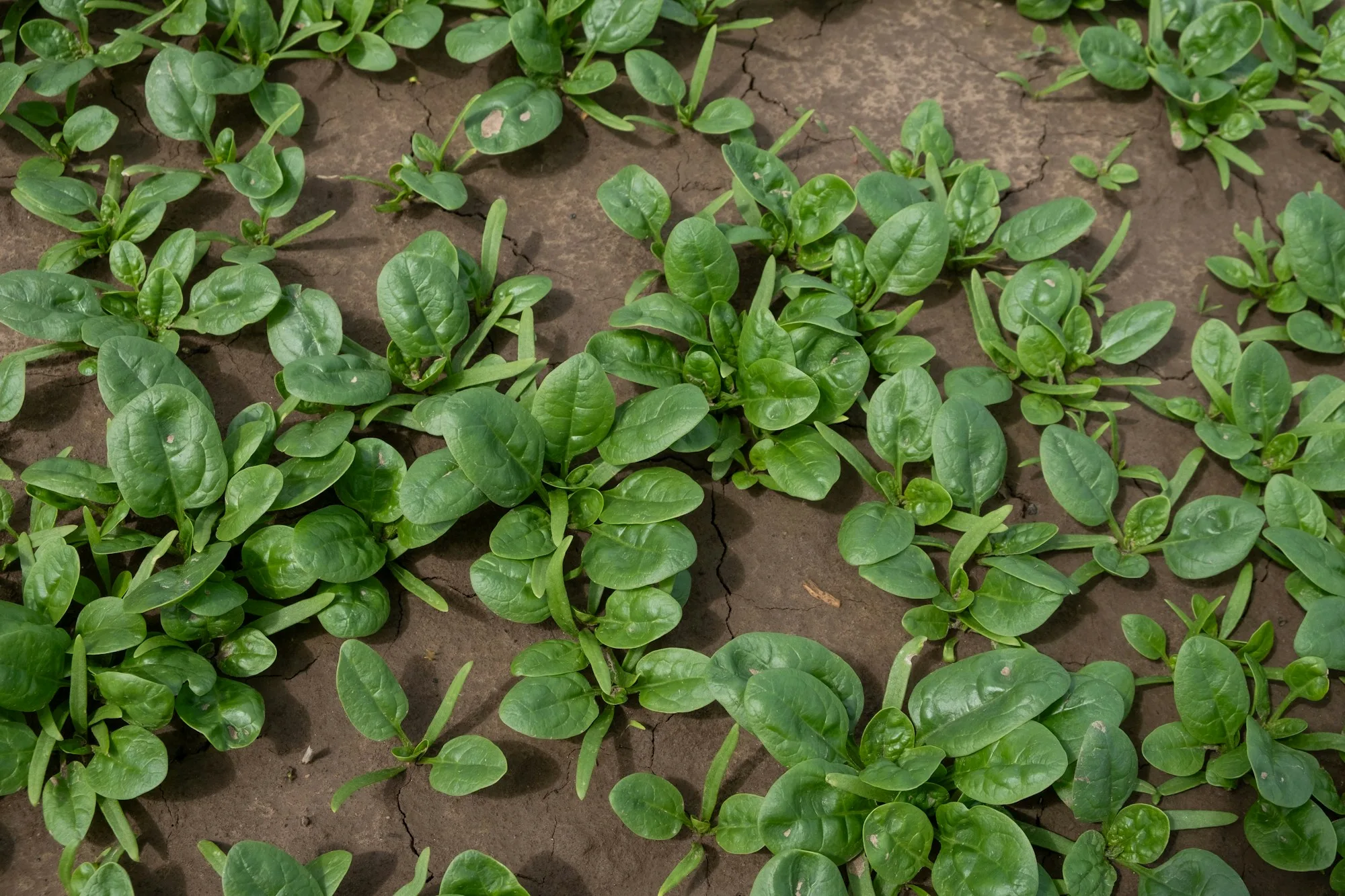
ORE has completed techno economic and life cycle assessments comparing broomcorn with wheat straw and corn stover. Agronomy and precision compost trials at Langford, Bristol, are adding field evidence to the programme, with Aminu reporting higher yield and lower carbon intensity in the early results.
The current evidence chain runs through feedstock specification, conversion, cost and policy review before a final pilot decision at Langford.
GASOL · UNDER DEVELOPMENT
Langford, Bristol, is the site of agronomy and precision compost trials. Early results show higher yield and lower carbon intensity, as reported by Aminu.
ORE still needs a feedstock specification covering the composition and handling requirements of the selected ethanol process.
Actual trial and conversion evidence will replace assumptions in the techno economic and life cycle models.
The final scope will reflect the conversion route, policy position, buyer requirements and cost case established through the earlier work.
GASOL · UNDER DEVELOPMENT
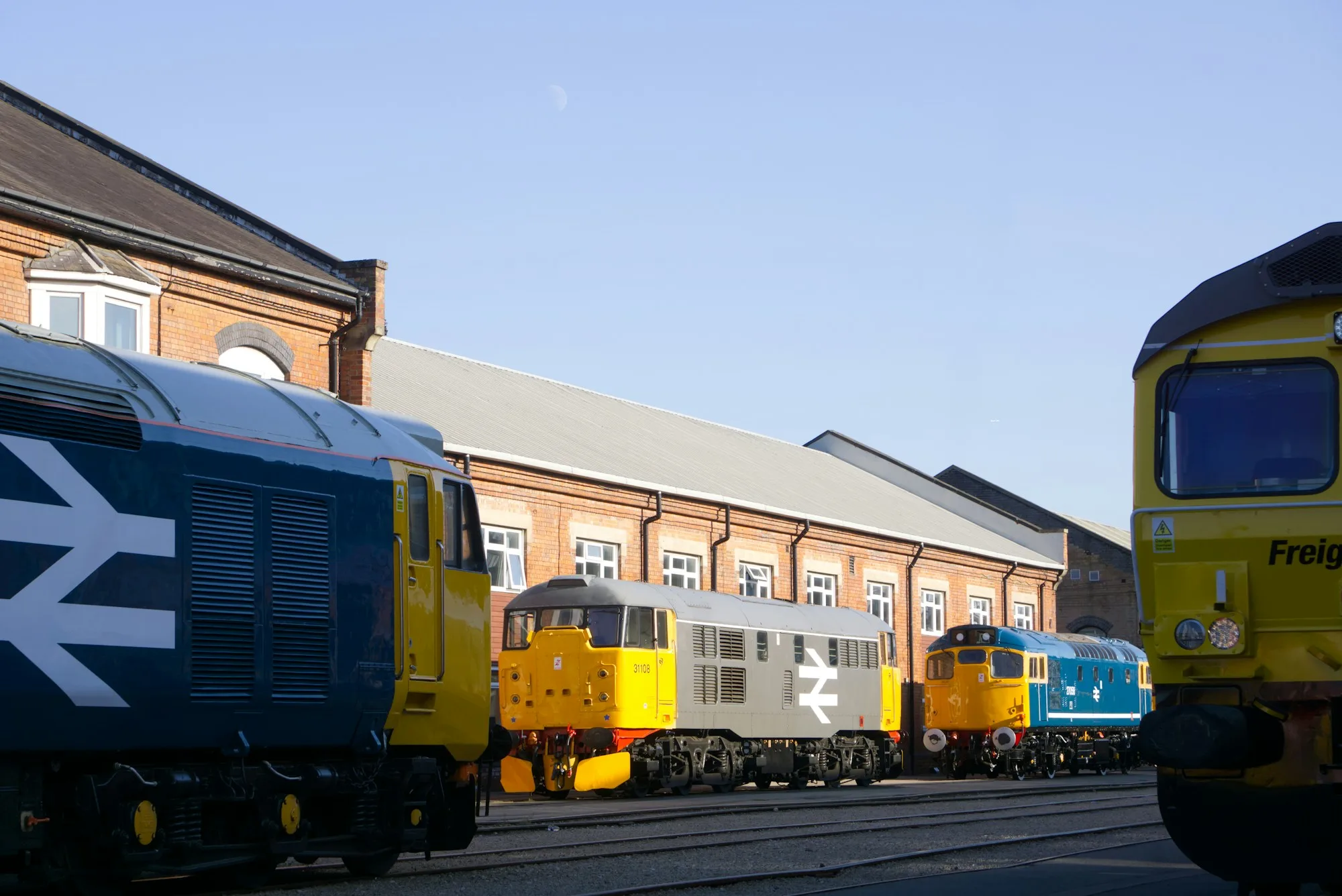
ORE is working through the conversion process, the Renewable Transport Fuel Obligation position and the commercial assumptions behind its buyer case. TBC · T12/T14/T15Complete conversion, RTFO and buyer validation
Take a closer look at our manufacturing work, Gasol (Bio-Ethanol) development and plans for investment.
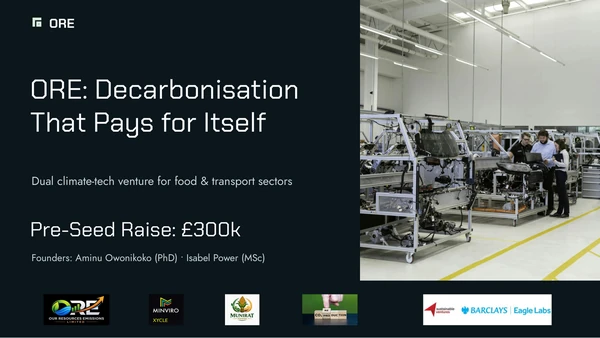 ORE 2026Pitch deck · PDF · 16 pages
Enter your email to access the full deck.
Your pitch deck is ready.
Download the pitch deckContact Aminu about a manufacturing project, Gasol (Bio-Ethanol) development or investing in ORE.
Contact Aminu